


Content Strategy for Paid Community Apps That Drive Growth
Updated February 26, 2026
TL;DR: Build a sustainable content rhythm that drives higher completion and stabilizes MRR without burning you out. Start with a 90-day calendar, one core content piece per week, and 2–3 push notifications weekly. Mix courses (structured curriculum), live sessions (urgency), community prompts (peer bonds), and resources (repeated utility). Passion.io's drip scheduling, push notifications, and in-app community automate engagement so you shift from “more content” to “better habits” using mobile-first tools that reach members on their home screens.
Building a successful paid community app takes more than great content. It takes a strategy. Without one, creators end up posting reactively, burning out, and watching members disengage. This guide covers the frameworks, calendars, and workflows that turn scattered content efforts into a repeatable engine, one that drives member engagement and retention while freeing up your time.
Why traditional course strategies fail in paid communities
The average online course completion rate falls between 10-20%, meaning 80-90 people out of every 100 who sign up never finish. Traditional desktop-first platforms treat content like a library where you upload videos and hope members consume them. This "content dumping" approach creates overwhelm and churn because there is no rhythm, no accountability, and no way to reach members when they drift away.
You create churn when you treat your community like a static course. A library sits passively waiting for users to remember to log in, while a community actively pulls members back through mobile notifications, live events, and peer accountability. Research shows that online courses with coaching and community support see 70%+ completion rates, compared to 10-15% for self-paced courses. Mobile accessibility drives this difference, as smartphone learners complete course material 45% faster than those using desktop computers.
The 4-part content mix that drives retention
Stop asking "how much content do I need?" and start asking "what content types create habits?" You need four distinct categories working together to drive daily logins and long-term retention.
Content-engagement matrix
| Content Type | Creator Effort | Retention Impact | Purpose |
|---|---|---|---|
| Core Curriculum | High (initial), Low (ongoing) | High | Foundation & value |
| Live Activation | Medium (ongoing) | High | Urgency & connection |
| Community Prompts | Low | Medium-High | Peer bonds & habits |
| Resources & Tools | Medium (initial) | Medium | Repeated utility |
1. Core Curriculum (The Foundation)
Your structured lessons, courses, and reference material form the evergreen foundation that justifies subscription pricing. Build this library once with high production quality, then use drip scheduling to release over time. Effort is high initially but low ongoing. Retention impact is high because this represents the core value members paid for.
2. Live Activation (The Event)
Weekly or monthly Q&A sessions, live coaching, and workshops create urgency and FOMO. These scheduled real-time events give members reasons to show up on specific days. Course completion rates increased to over 85% at Harvard Business School Online after introducing social learning elements. Effort is medium ongoing. Retention impact is high because live events build direct connection.
3. Community Prompts (The Glue)
Simple discussion starters in your community tab require the least effort but build peer-to-peer bonds that prevent churn. Examples include weekly wins, accountability check-ins, or challenge questions. These prompts spark conversations that keep members engaged between core content drops. Retention impact is medium to high because community bonds create switching costs.
4. Resources & Tools (The Utility)
Downloadable PDFs, checklists, templates, and calculators increase perceived value and create repeated use cases. These assets take medium effort to create but drive ongoing value as members return to reference them months after joining. Upload to your courses section or community for easy access.
How to plan your 90-day content calendar
Most creators burn out because they approach content creation reactively, posting whatever feels right each day. A 90-day content calendar organizes your ideas into themes, formats, and platforms, turning strategy into sustainable execution.
Establishing monthly themes and weekly rhythms
Start by choosing three monthly themes that align with your expertise and member goals. A fitness coach might select Month 1: Mobility & Foundation, Month 2: Nutrition Basics, and Month 3: Strength Building. These themes simplify content ideation and provide a coherent learning path.
Within each month, establish a predictable weekly rhythm that balances all four content types. Consistency matters more than volume because you are building habits, not just delivering information.
Here is a sample weekly rhythm you can adapt:
| Day of Week | Content Action | Content Type | Channel |
|---|---|---|---|
| Monday | "What's your goal this week?" post | Community Prompt | Community + Push Notification |
| Wednesday | Release new lesson or module | Core Curriculum | Courses + Push Notification |
| Thursday 7pm | Live Q&A; session | Live Activation | Live Stream + Push Notification |
| Friday | "Share your wins" discussion thread | Community Prompt | Community |
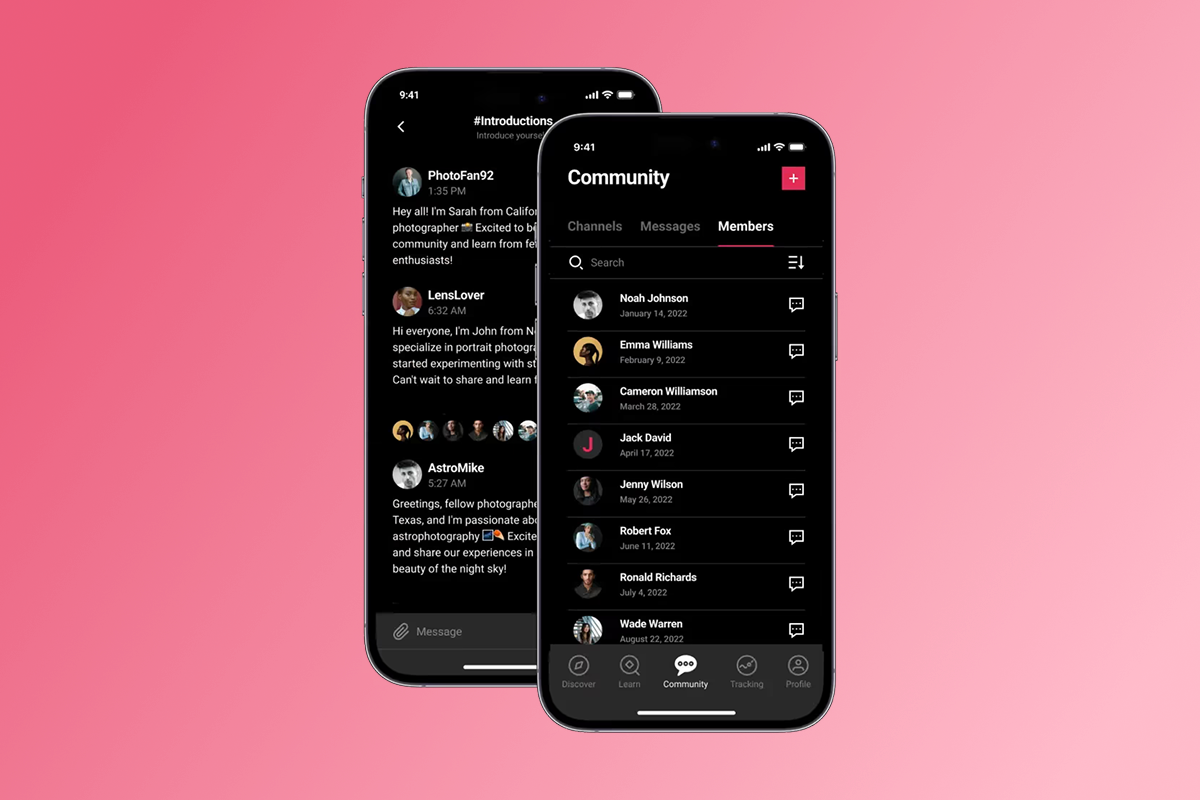
This rhythm delivers value four times per week across different formats without requiring you to create new core content daily. Monday and Friday prompts take minutes to write. Wednesday releases pre-recorded lessons from your library. Thursday live sessions happen weekly and can be repurposed into multiple assets.
The "Push-to-Value" framework for mobile notifications
Push notifications are your most powerful engagement tool but must be used strategically to avoid opt-outs. Notification frequency should be tailored to user behavior rather than fixed to a set schedule. Research suggests optimal timing varies by audience and context, with most industry sources recommending no more than 2–5 per week to avoid fatigue.
Every push must deliver immediate, actionable value rather than generic reminders. Compare these examples:
Bad: "Don't forget to check the app today!"
- Creates work for the user without specifying the benefit
- Generic and could apply to any day
- No clear action or value proposition
Good: "Your 5-min lower back relief video is live now. Tap to watch."
- Specifies the exact content and time commitment
- Creates urgency with "live now"
- Clear action (tap) and clear benefit (pain relief)
Timing matters as much as content. Notifications sent between 6–8 PM tend to see the highest engagement, though optimal timing varies by audience. Test different windows to find what works for your members. Use push to announce new lessons, remind about upcoming live events, celebrate member milestones, or share quick tips.
Execution: Batching and organizing content in Passion.io
Planning matters only if you can execute efficiently. Batching content creation and organizing it properly inside Passion.io's platform reduces your weekly workload while maintaining consistent member experience.
Setting up drip schedules to reduce overwhelm
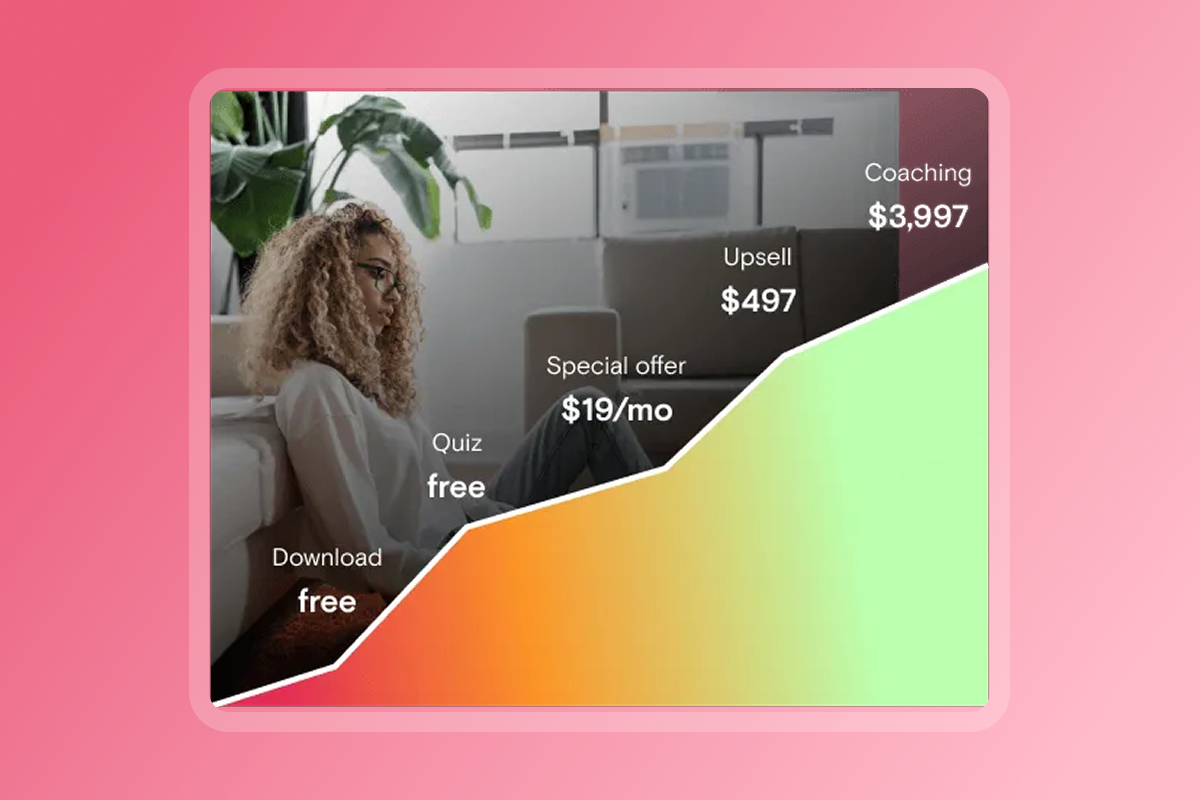
Drip content prevents overwhelm by releasing material on a schedule, giving members a compelling reason to stay subscribed month after month. When you dump all content at once, members binge in week one and cancel in week two. When you drip content strategically, they stay subscribed to access upcoming releases.
Passion.io's drip feature lets you schedule content release based on days after signup (Lesson 2 releases seven days after joining) or fixed dates (specific calendar dates for cohort programs). Navigate to your course content in the builder, select the lesson, and configure the release timing in drip settings. This automation handles the timeline individually for each user.
The retention benefit is significant. Members often cancel not because they are unhappy with content but because they get busy, forget to log in, or lose momentum. Drip scheduling creates recurring touchpoints that sustain interest and motivation. How does Passion.io handle this? Try it for yourself, with a 30-day money back guarantee!
Repurposing one core asset into a week of engagement
The secret to sustainable content creation is not producing more assets but extracting more value from each piece you create. One 20-minute video can fuel an entire week of engagement when you repurpose strategically.
The 4-Step Repurposing Playbook:
- Record one 20-minute core video: Choose a single topic aligned with your monthly theme. This becomes your pillar content asset.
- Strip audio for podcast/walking listen: Export the audio-only version and upload it as a separate resource. This caters to members who prefer learning while commuting or exercising, and 72% of participants report increased engagement with mobile learning.
- Extract 3 key quotes for discussion prompts: Pull the most impactful statements from your video and turn each into a community discussion question. Post these in your community tab throughout the week.
- Send push notification linking to the video: Use the Push-to-Value framework to announce the new video. Example: "New 20-min masterclass on progressive overload just dropped. Tap to watch now."
Building your minimum viable content library
A common mistake when launching a paid app is waiting until you have months of content ready. You actually need far less to launch successfully, and building as you go allows you to tailor content to member feedback rather than guessing upfront.
Before Launch (MVP Content):
- 1 foundational course covering your core framework or system
- First month's community prompts planned for consistent engagement
- Initial live event topics outlined for your first 30 days
- Welcome materials including onboarding video and community guidelines
- Starter resources like downloadable templates or worksheets
"Setting up my coaching app on Passion.io has been one of the easiest and most intuitive processes I've experienced. The platform walks you through every step with clarity, making what could be a complicated process feel smooth and manageable..." - Everchanging Butterfly on Trustpilot
Ongoing Rhythm (Post-Launch):
After launch, settle into a sustainable creation pace. You can launch with an empty membership area with just a welcome video and build content live based on what your community actually needs. Quality beats quantity in every scenario. Better to have polished, valuable lessons that members complete than numerous mediocre videos they abandon after lesson three.
The health and fitness professionals using Passion.io prove this model works across coaching niches, with creators building sustainable businesses around focused content libraries rather than overwhelming content volumes.
Measuring success: Metrics that matter for retention
Stop tracking vanity metrics like total video views and start measuring habits. The goal is not consumption but completion and return behavior.
Three essential metrics to track weekly
1. Completion Rate
While completion rates for self-paced online courses typically fall between 10–20%, programs with coaching and community support consistently perform significantly higher, well-supported programs with community features can reach 30-60% or higher.
Track this at the lesson level to identify where members drop off, then address friction points through better onboarding, shorter lessons, or additional support.
2. DAU/MAU Ratio (Daily Active Users / Monthly Active Users)
This metric reveals how often members actually open your app. A DAU/MAU ratio of 20% is considered strong, with 25% being good and 50%+ being gold standard. For paid communities, you want members logging in multiple times per week, not just once per month.
Calculate this by dividing daily active users by monthly active users. If 50 unique members open your app on a given day and you have 200 total active members in the month, your DAU/MAU is 25%. Push notifications, community prompts, and live events drive this metric up by creating multiple reasons to return throughout the week.
3. Community Comments/Active Participation
Count member-initiated posts, comments, and interactions per week as a proxy for engagement depth. Passive consumption has its place, but active participation creates the bonds that prevent churn. McKinsey research shows productivity improvements through social platforms reaching as high as 35%.
Track both quantity (number of comments) and quality (depth of discussions). If your community stays silent despite your prompts, experiment with more specific questions, acknowledge contributions publicly, or feature member spotlights.
You can access analytics for these metrics through your Passion.io dashboard to monitor trends over time and identify patterns in member behavior.
Build your content strategy today
Ready to organize your content strategy? You can build your content library and launch your branded app in 4-8 weeks. Passion.io gives you drip scheduling, push notifications, in-app community, and step-by-step guidance from fellow creators in the PassionFighters community.
Start your free trial or book a platform demo to see how content organization, community features, and push notifications work together. The Creator MBA program provides coaching and proven playbooks to help you launch, grow, and monetize your branded app.
"I am so excited to be a part of the Passion.io community. Dan is a really authentic and genuine human being who through his organisation has given me the opportunity to create my own app for dementia caregivers in easy to learn steps while being supported at every turn... this approach makes it affordable, easy, fun and really quick to do!" - Jane Mullins on Trustpilot
Frequently asked questions about community content
How much content do I need before launching my app?
One foundational course plus one month of planned community prompts is enough to launch. You can build additional content based on member feedback rather than guessing upfront what they need.
Should I send push notifications daily?
No. Research shows 2-3 value-driven notifications per week prevents fatigue while maintaining engagement. Each push must deliver specific, immediate value rather than generic "check the app" reminders.
What tools do I need beyond Passion.io for content creation?
Most creators use Canva for graphics, basic video editing software, and Notion or Asana for planning. Passion.io handles hosting, drip scheduling, community, and push notifications in one platform.
Can I batch-create content or do I need to post daily?
Batch creation is more sustainable. Record content in monthly blocks, schedule drip releases, and use repurposing to create a week of engagement from one core asset.
How do I balance core curriculum with community engagement?
Use the 4-part content mix: evergreen courses for foundation, regular live sessions for connection, frequent community prompts for peer bonds, and resources for repeated utility. This balance drives both completion and retention.
Key terms glossary
Drip Content: Releasing lessons on a schedule (daily, weekly, or days after signup) rather than all at once. Prevents overwhelm and extends subscription value by giving members ongoing reasons to stay subscribed.
Push Notification: A clickable message sent directly to a user's mobile device home screen. More effective than email for re-engagement because it appears instantly without requiring users to check their inbox.
DAU/MAU Ratio: Daily Active Users divided by Monthly Active Users. A measure of stickiness showing what percentage of your monthly members actually open the app on a given day. A ratio of 20%+ indicates strong engagement.
Completion Rate: Percentage of members who finish a lesson, module, or entire course. A direct indicator of content value and engagement quality, with higher completion correlating to lower churn.
Core Curriculum: Structured, evergreen educational content forming the foundation of your membership. Includes video courses, audio lessons, and reference materials that provide lasting value and justify subscription pricing.