


How to Make Money Selling Courses Online: The 5-Day Challenge Funnel (No Code Required)
Updated 31st December, 2025
Making money selling courses online works best through a 5-day challenge funnel that converts free participants into paying students at 15-30% rates.
What Is the 5-Day Challenge Method for Selling Courses Online?
The 5-day challenge method flips traditional course creation on its head. Instead of building months of content first and hoping someone buys it, you run a free 5-day challenge that proves your value before you pitch. You deliver structured, trust-building content through a no-code platform, everything from your phone, and convert 15-30% of participants into paying students through the natural momentum of the challenge experience.
Who Can Make Money Selling Courses Using This Method?
This method works for corporate professionals and subject matter experts who want to build a course business without risking their stability. If you're working a demanding corporate job and dreaming of your own business, you've probably wondered how to make money selling courses online without needing tech skills or quitting your job. This is your backup plan, your exit strategy from the golden handcuffs. You can build this while still working your corporate job, starting with as few as 50-100 people to validate your idea.
Why the Challenge Funnel Converts Better Than Traditional Course Launches
Most aspiring course creators build months of content nobody asked for, then launch to crickets. You record videos after work, design workbooks on weekends, and set up a website. Launch day arrives and three people buy. You're out hundreds of hours with nothing to show for it. The problem is the trust gap. People don't hand over $200-$500 to a stranger, no matter how polished your sales page looks.
With a 5-day challenge, you flip this model. Instead of asking for money upfront, you invite people into a free, time-bound event where they achieve a specific transformation in five days. You guide them to a quick win on day one, build momentum through days two to four, and then make your paid offer on day five to an audience that already knows, likes, and trusts you.
You demonstrate competence before you ask for commitment. By the time you pitch your paid course, participants have already experienced results and invested time and emotional energy. The paid course becomes the logical next step, not a cold sales pitch.
Step 1: How to Choose a Profitable Course Topic Using Red Ocean Strategy
If you're stuck on what to teach, you might think you need a completely unique idea. That's backwards. Competition in a market signals demand. We call this a "red ocean" - a market where high competition exists because lots of people already solve that problem and make money doing it.
Instead of inventing something new, look for a specific problem you can solve in five days within a proven market. The key is specificity. Don't promise "get fit" in five days. Promise "lose three pounds" or "do your first unassisted push-up." Don't promise "master email marketing." Promise "write five high-converting email subject lines."
Your topic should pass three tests:
- Can someone achieve a tangible result in five days?
- Does that result naturally lead to a bigger transformation your paid course delivers?
- Do people in your target market actively search for solutions to this problem?
For example, if you're in business coaching, a challenge might be "Plan Your First 90 Days as a Solopreneur." If you're in wellness, it could be "Build Your 10-Minute Morning Routine." If you're teaching creative skills, try "Sketch Your First Portrait in Five Days."
Step 2: Structure Your 5-Day Challenge to Maximize Course Sales
A successful challenge follows a specific daily structure. Each day has a purpose in the conversion process. Here's how to structure yours.
- Day 1 - The quick win: Deliver an immediate, tangible result your participants can achieve in 15-30 minutes. For business challenges, this might be extracting three key insights from popular content and turning them into social posts. For wellness, setting up a hydration station and morning gratitude practice. In your app, unlock day one content immediately when someone enrolls. Record a short video explaining the task, add a downloadable worksheet, and post your first community prompt asking people to share their quick win.
- Days 2-4 - Skill building and social proof: Over the middle days, you build on the foundation. Introduce a new skill or concept each day that stacks on the previous day's work. Day two might be "Turn your insight into a visual graphic using Canva." Day three: "Write a compelling caption for your graphic." Day four: "Record a 30-second video explaining your insight." The community element makes these days powerful. When participants share their work and see others doing the same, social proof kicks in. They realize they're part of a movement, not struggling alone. Make tasks easy to share, host mini contests, and use consistent engagement tactics like themed prompts and push notification reminders to maintain momentum.
- Day 5 - The pitch: On the final day, you transition from free value to your paid offer. Start by celebrating the week's wins. Recap what participants achieved and share standout examples from the community. Then make the bridge. Explain that what you covered in five days is just the foundation. The paid course delivers the complete system they need for the ultimate transformation. Be specific about what the course includes, how it's structured, and the exact results it delivers. When you set a clear deadline for enrollment, most sales come in the final 72 hours, with a significant spike on the last day. Offer fast-action bonuses and communicate the stakes of waiting.
- Post-challenge - The 48-72 hour cart open: After day five, keep your cart open for 48-72 hours. During this window, send daily emails or push notifications reminding people of the deadline. Share testimonials from past students, answer common objections, and restate the transformation your course delivers.
Step 3: Best Platforms for Selling Courses Online (Comparison Guide)
You have three main options for hosting your challenge and course, each with trade-offs.
For challenge funnels specifically, mobile-first delivery gives you a significant advantage. Email open rates vary widely, but push notifications cut through the noise. When day two's content unlocks, participants get an instant alert on their phone.
"What I love about Passion is that it's not just a platform to create your own app, it also provides invaluable training on how to build and sell your course." - Verified user review of Passion
You'll pay more monthly for mobile-first features. Marketplace platforms charge revenue shares that can significantly cut into your earnings. Web-only platforms start at lower monthly fees but lack native mobile engagement. We built Passion to include the app infrastructure, push notifications, and community features that drive challenge completion rates.
Step 4: How to Build Your Challenge Without Coding Skills or Technical Experience
We built Passion so you can create a challenge in hours, not months. Here's the workflow.
- Create your challenge product: Log into your account and create a new product for your 5-day challenge. Name it clearly, like "5-Day Content Repurposing Challenge" or "5-Day Mindful Morning Challenge."
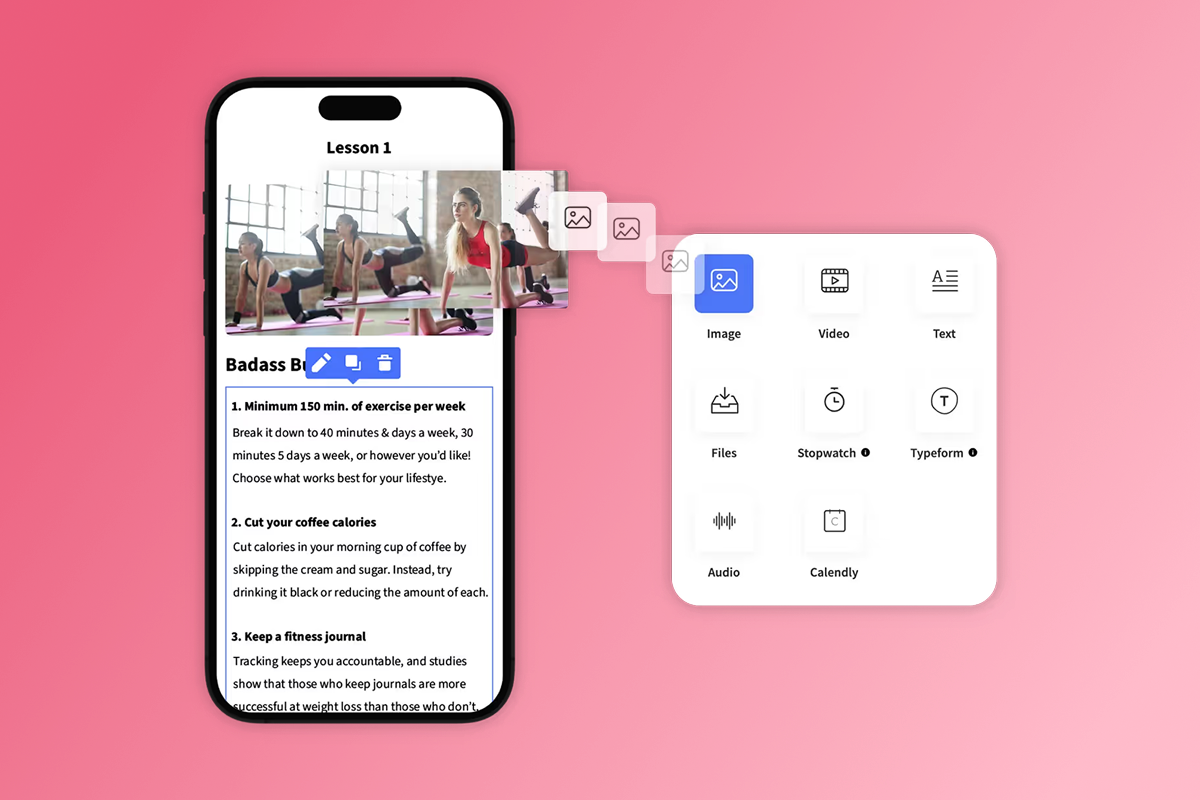
- Upload daily content modules: For each day, create a lesson. Upload your video training, add text instructions, attach worksheets as PDFs, and embed any images or graphics. If you're teaching a skill, Passion's tutorial features let you add quizzes, timers, and interactive elements.
- Schedule drip content: Set each lesson to unlock on a specific schedule relative to enrollment. Day one is available immediately. Day two unlocks 24 hours after sign-up. Day three unlocks 48 hours after, and so on.
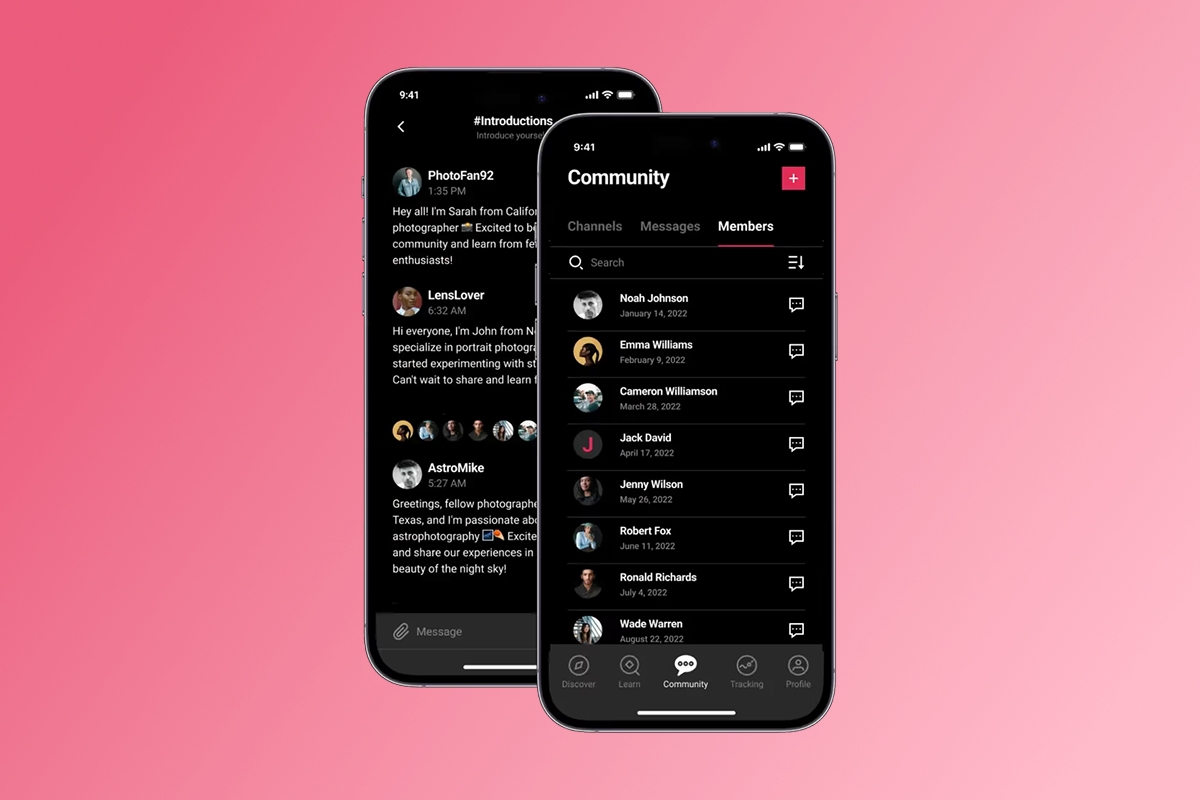
- Activate your in-app community: Turn on the community feature for your challenge. Create welcome posts, pin the daily schedule, and pose the first engagement question.
"The passion platform and people has been so supportive already. I feel like they are on my side to get this done." - Verified user review of Passion
- Configure push notifications: Set up automated push notifications tied to your drip schedule. When day two content unlocks, you send participants a message like "Day 2 is live! Let's build on yesterday's success." You can also send manual notifications to remind people of live Q&A sessions or celebrate community milestones.
- Set pricing and access: For most creators, the challenge itself is free. Set the price to $0 and generate a sign-up link to maximize lead generation.
- Test the full experience: Before you launch, sign up with a test account. Walk through the entire challenge from a participant's perspective to verify that content unlocks on schedule, push notifications fire correctly, and the community functions smoothly.
Step 5: Course Pricing Strategy: How Much Money Can You Make Selling Courses?
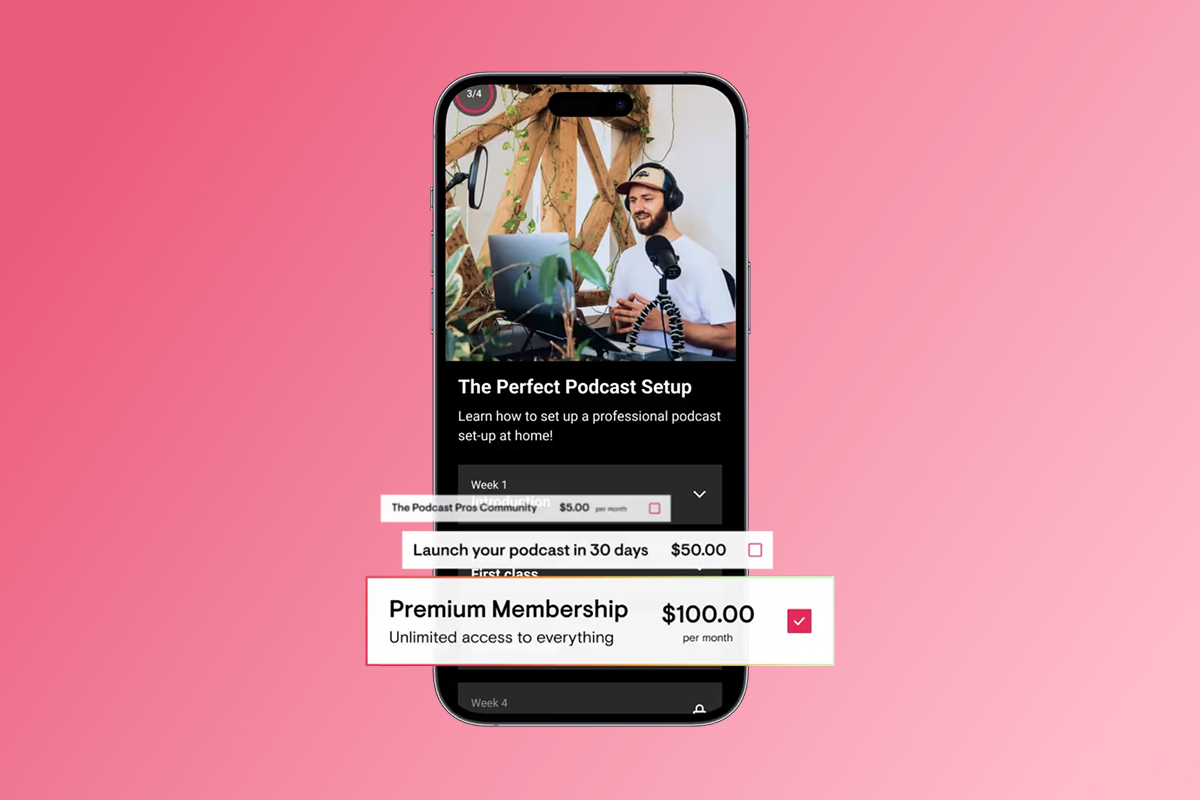
The challenge is your lead generation tool. The paid offers behind it are where you build recurring revenue. Most successful creators use a "pricing ladder" that guides customers from low commitment to high investment.
- Tier 1: Free or low-ticket challenge ($0-$27)
- Your challenge sits at the bottom of the ladder. If it's free, your goal is maximum lead generation. Well-executed challenges typically see conversion rates of 3-8% depending on audience warmth.
- Tier 2: Core course ($197-$497)
- This is your main revenue driver. The course delivers the complete system participants need to achieve the ultimate transformation your challenge introduced. Price it based on the value of the outcome, not the hours of content. For business or professional development topics, $297-$997 is common. For wellness, creative skills, or hobbies, $97-$297 is typical.
- Tier 3: Recurring membership ($29-$97/month)
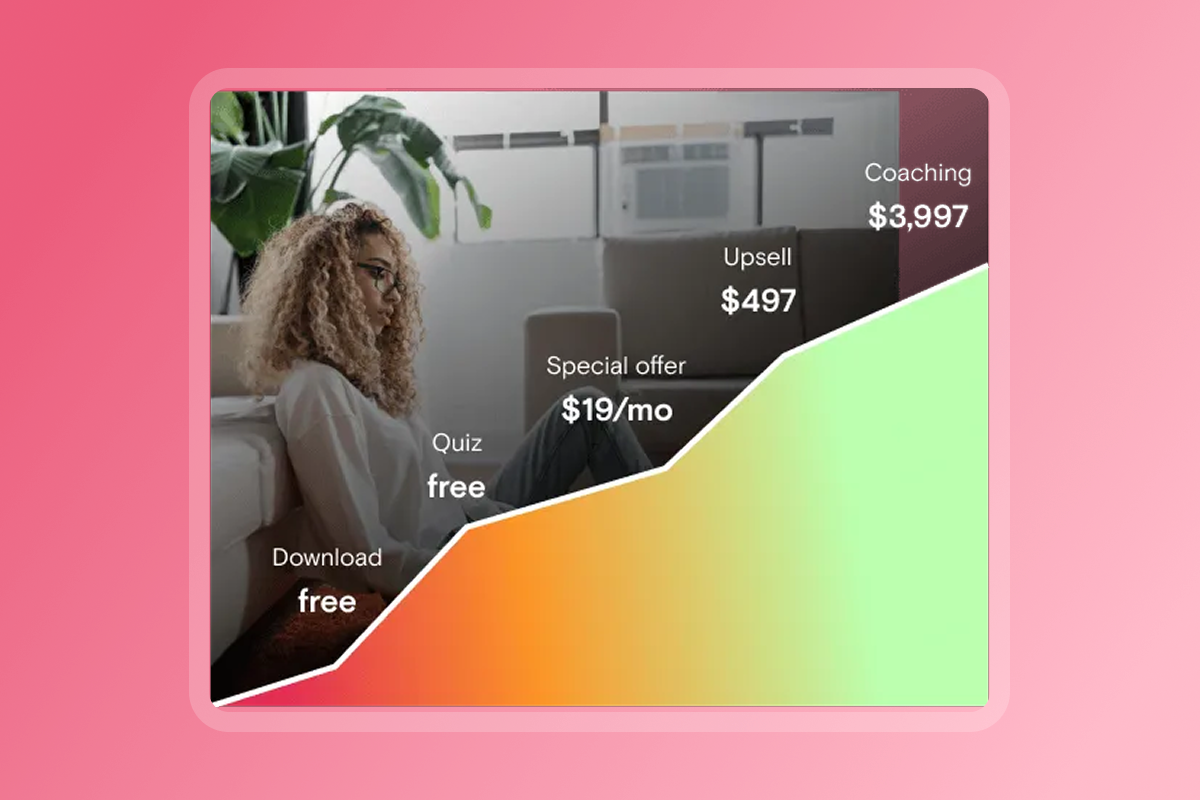
- After students complete your course, offer them a membership for ongoing support, new content, and community access. This is your recurring revenue engine. Monthly pricing makes it an easy decision, and the compound effect of retained members builds predictable income over time.
Realistic Earnings: How Much Money You Can Actually Make Selling Courses Online
Let's address the elephant in the room. You've seen ads promising "passive income" from online courses. That's not how this works. Running a successful challenge and course business requires active effort. During the challenge week, you'll spend 1-2 hours per day managing the community, answering questions, and hosting live sessions.
You can realistically earn anywhere from side income to six figures, depending on audience size, pricing, and consistent marketing. A realistic first-year goal is $10,000-$50,000 in revenue while working your full-time job.
The advantage of the challenge model is that you don't need a massive audience to start. A seed audience of 50-100 engaged people is enough for a beta launch. You validate the idea, gather testimonials, refine your content, and then run a bigger launch.
You don't make money selling courses online by having the most polished videos or the biggest audience. You demonstrate value through a structured challenge, build trust through community, and offer a paid course to people who already know you can help them. The 5-day challenge model de-risks the entire process. You validate demand before building a full course, prove your expertise before asking for money, and create a repeatable system you can run every quarter to grow your business. Start with your topic, build your challenge in a no-code app, and launch to your first 50 people. That's how you turn your corporate skills into a business you own.
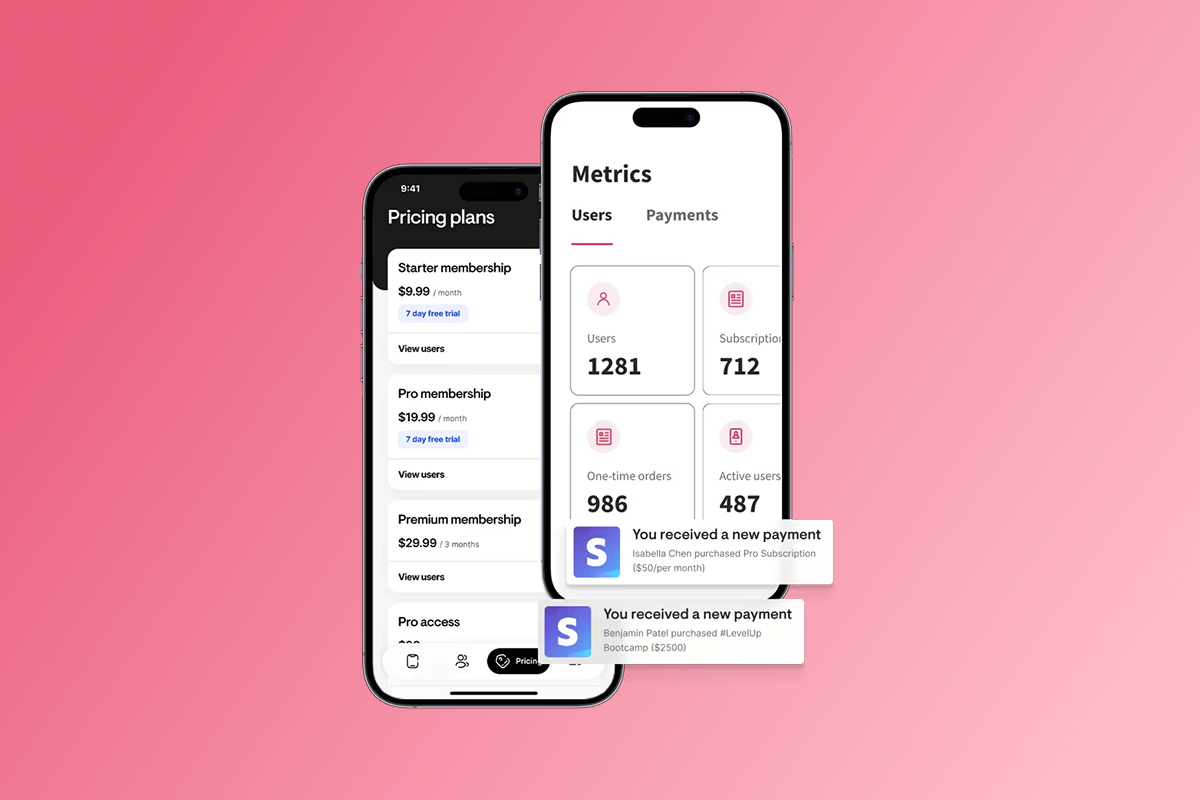
Ready to launch your challenge? We give you everything you need to build and deliver your first challenge in weeks. Start building your app and see how mobile-first delivery drives the engagement your challenge needs to convert.
Common Questions About Making Money Selling Courses Online
Can you actually make money selling online courses?
Yes, but it requires active marketing and ongoing community management. You're building a business, not a passive income stream. Successful creators run regular launches, update content, and engage their audience consistently.
How do I make a profitable online course?
Start by running a 5-day challenge to validate demand. If 15-30% of participants buy, you have a profitable idea. Price based on the value of the transformation, not the hours of content you create.
How many people do you need to make money selling courses online?
A seed audience of 50-100 engaged people is enough for a beta launch. Focus on quality over quantity, you don't need thousands of followers to start making money.
What's the best way to make money selling courses online for beginners?
The 5-day challenge method is the most beginner-friendly approach. Well-executed challenges convert 15-30% of participants into paying customers. Your warm audience will convert higher than cold traffic, so focus on building relationships before your launch.
How fast can you start making money selling courses online?
You can launch in 3 weeks. Plan your challenge structure in Week 1, record and upload content in Week 2, and launch in Week 3. Total prep time is 20-30 hours if you already know your topic.
Key terms glossary
Red Ocean: A competitive market with high demand and multiple established players. Competition signals that people are actively paying to solve this problem, making it a safer choice than an unproven niche.
Pricing Ladder: A strategic model that guides customers from free or low-cost offerings to higher-investment products. The challenge is the entry point, the course is the core offer, and the membership is recurring revenue.
Quick Win: A tangible, immediate result that participants achieve on day one of a challenge. This builds confidence and proves the value of continuing through the full program.
MRR (Monthly Recurring Revenue): Predictable monthly income from subscriptions or memberships. This is the goal for creators who want to transition from corporate jobs to full-time businesses.
Drip Content: Content released on a schedule, rather than all at once. In a 5-day challenge, each day's lesson unlocks 24 hours after the previous day to maintain momentum and engagement.

Build the business
behind what you know.
Turn your expertise into a branded app with courses, community, and the You AI Coach. Launch plan from $99/month.